Heat Pump vs. Furnace: Which Heating System Is Right for Your Home?

Choosing the right heating system for your home is a critical decision, especially as winter approaches. Whether you’re upgrading your current HVAC system or building a new home, understanding the differences between a heat pump and a furnace can help you select the most efficient and cost-effective option for your climate and lifestyle.
Let’s compare these two popular heating solutions to help you make an informed decision.
What Is a Heat Pump?
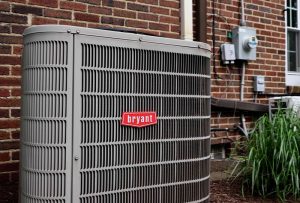
A heat pump is a versatile HVAC system that transfers heat instead of generating it. It extracts heat from the air or ground and moves it indoors to keep your home warm during the colder months. In the summer, it works in reverse to cool your home, acting as an air conditioner.
Pros of a Heat Pump
- Energy Efficiency: Heat pumps are highly efficient, using electricity to move heat rather than burning fuel to create it.
- Dual Functionality: They provide both heating and cooling, eliminating the need for separate systems.
- Environmentally Friendly: By relying on renewable energy sources like air or ground heat, heat pumps reduce carbon emissions.
Cons of a Heat Pump
- Higher Upfront Costs: The initial installation cost can be higher than a furnace.
- Performance in Extreme Cold: Heat pumps can lose efficiency in sub-freezing temperatures unless paired with a supplemental heat source.
What Is a Furnace?
A furnace generates heat by burning fuel, such as natural gas, propane, or oil, or by using electricity. It distributes the heat throughout your home via duct work.
Pros of a Furnace
- Powerful Heating: Furnaces excel at keeping homes warm, even in the coldest climates.
- Lower Initial Cost: Typically, furnaces have a lower upfront installation cost compared to heat pumps.
- Wide Availability: Many homes are already set up for furnace installations, making them a convenient choice.
Cons of a Furnace
- Higher Operating Costs: Gas or oil furnaces can be expensive to run, depending on fuel prices.
- Environmental Impact: Burning fossil fuels contributes to greenhouse gas emissions.
- No Cooling Functionality: You’ll need a separate air conditioning unit for cooling.
Comparing Heat Pumps and Furnaces for Different Climates
Mild to Moderate Climates
In areas with milder winters, such as the southern United States, a heat pump is often the best choice. Its efficiency and dual heating/cooling capabilities make it a cost-effective and practical option.
Cold Climates
For regions with harsh winters, such as the northern U.S., a furnace typically provides more reliable and consistent heating. Alternatively, a dual-fuel system that combines a heat pump with a furnace can offer the best of both worlds—efficiency in mild weather and powerful heating in extreme cold.
Choosing the Right System for Your Home
When deciding between a heat pump and a furnace, consider the following:
- Your Climate: Heat pumps are ideal for milder regions, while furnaces are better for extreme cold.
- Energy Efficiency: Heat pumps can lower energy bills but may need a backup heat source in colder climates.
- Installation Costs: Furnaces often have a lower upfront cost, but heat pumps can save money in the long run through reduced utility bills.
- Environmental Impact: If reducing your carbon footprint is a priority, a heat pump is the greener option.
Trust ComfortPro Heating and Cooling
Still unsure whether a heat pump or furnace is right for you? The experts at ComfortPro Heating and Cooling are here to help. With years of experience in HVAC services, we’ll assess your home’s heating needs and recommend the best solution for your budget and climate.
Call us today at 330-919-7950 or visit our website at GoComfortPro.com to schedule a consultation.
Keep your home comfortable year-round with ComfortPro Heating and Cooling—your trusted partner for all things HVAC.